Horse, Dog, Cat, Nosodes
Equine Solutions Catalog Page 22a
NOSODES - by
(The Holistic Vet Clinic)

Herbal Wormer & Eye Health Support Herbs (Uveitis/Glaucoma)
Equine Equine-Zyme, Dog and Cat Equine-Zyme, Beta Glucan, Joint-Zyme, MSM, Glucosamine,
Mare, Foal, Stallion, Senior Zyme, Yeasture for non-equine livestock,
Cushings, EPM, Hoof Builder, Tummy-Zymes
Pure Herbs and Herb Blends
Nosodes
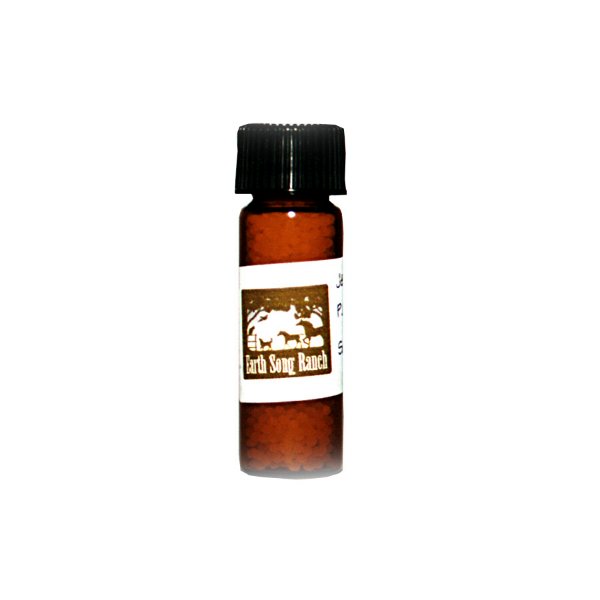
Nosodes are Homeopathic Immunizations that are given in tiny sugar pill form,
monthly, that have no side effects, and are very effective in disease prevention.
all are 30C strength
See article below.
HORSES
1 dram bottles will last up to 5 horses 1 yr. 2 dram will last up to 10 horses 1. yr.
You can administer the little sugar pills between their lip and gums or you
can make a spray to spray on the gums. To build up the immune system,
Start out 1 time for 3 days in a row,
then 1 time per week for a month and then 1 time a month from there on to
maintain constant built up immune system.
If your horse, dog or cat already has an illness, we have homeopathic
protocols for them. Just email me to inquire: questions@myfineequine.com
CATS
1 dram up to 10 cats 1 yr. $25, 2 dram up to 20 cats 1 yr. $45
DOGS
1 dram up to 5 dogs 1 yr $25., 2 dram up to 10 dogs 1 yr. $45
Horses
1 dram up to 5 horses 1 year $25, 2 dram size $45
------------------------------------------------
Horses, Dogs and Cats Bartonella Nosode

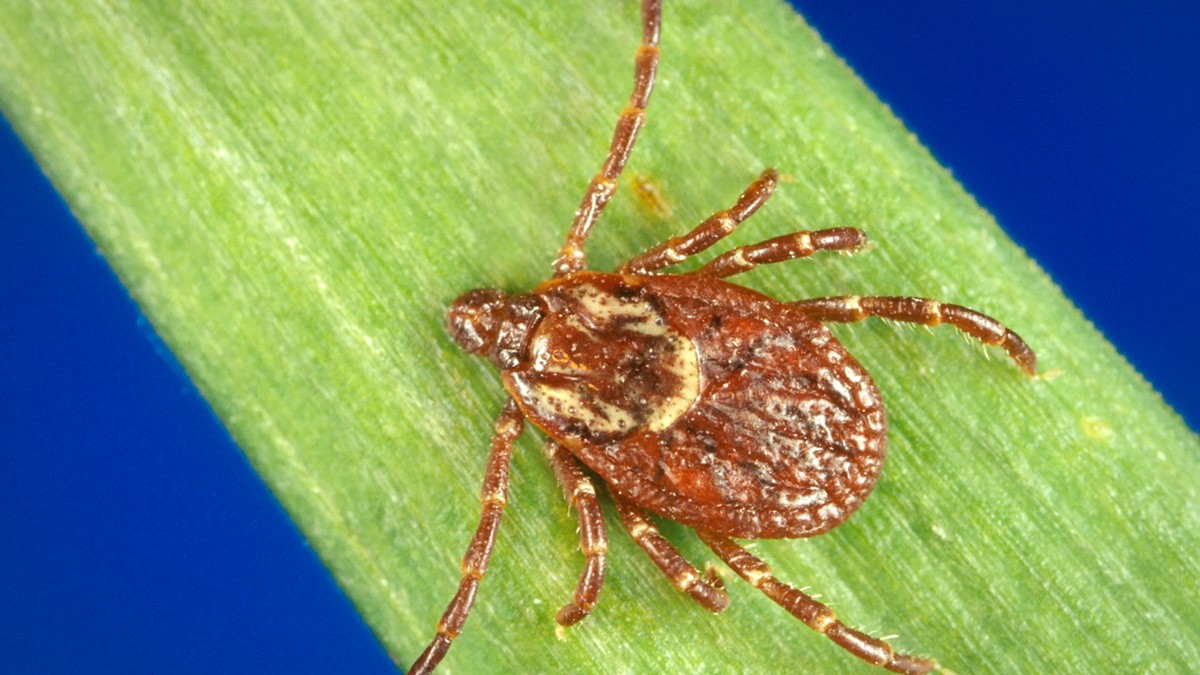 American Dog Tick parts of southwestern United States and Mexico
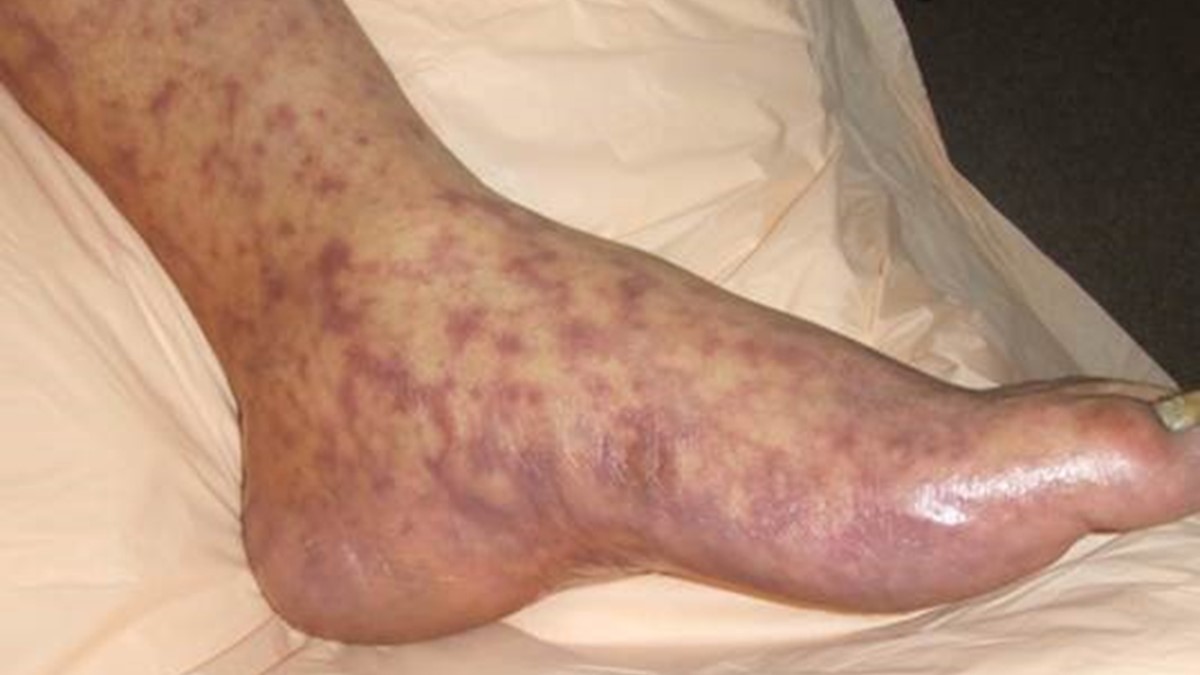 Late stage rash.
Rocky Mountain Wood Tick parts of north western United States WA, OR, ID, Montana, Wyoming, CA,
NV, UT, Colorado

Rocky Mtn Spotted Fever
(Rickettsia)
Rocky Mountain Spotted Fever (RMSF)
Definition:
Rocky Mountain spotted fever (RMSF) is a tick-borne bacterial infection caused by Rickettsia rickettsii.
Transmission:
RMSF is transmitted through the bite of infected ticks, primarily the American dog tick (Dermacentor variabilis).
Symptoms:
Symptoms typically appear 2-14 days after the tick bite and may include:
Fever
Headache
Muscle aches
Joint pain
Nausea
Vomiting
Diarrhea
Rash (usually starts on the wrists, ankles, and spreads to other parts of the body)
Diagnosis:
Diagnosis is based on symptoms, travel history, and laboratory tests such as blood tests.
Treatment:
RMSF is treated with antibiotics, such as doxycycline. Early treatment is crucial for a good outcome.
Prevention:
To prevent RMSF:
Avoid tick bites by wearing long pants, long-sleeved shirts, and insect repellent.
Check for ticks regularly when spending time outdoors.
Remove ticks promptly if found.
Use tick control measures on pets.
Complications:
Untreated RMSF can lead to serious complications, including: Organ failure and Death.
Risk Factors:
People at increased risk of RMSF include:
Those living in areas where ticks are prevalent
Hikers, campers, and outdoor enthusiasts
People with weakened immune systems
Geographic Distribution:
RMSF is found in parts of North and South America, particularly in the southeastern and south-central United States.
Prognosis:
With prompt antibiotic treatment, the prognosis for RMSF is generally good. Most people recover within 7-10 days.
However, untreated cases can be fatal.
------------------------------------------
About Rocky Mountain Spotted Fever
Key points
The most common symptoms of Rocky Mountain spotted fever (RMSF) are a fever, headache, and rash.
RMSF is spread through the bite of an infected tick.
There is no vaccine to prevent RMSF.
RMSF can be deadly if not treated early with doxycycline.
More Information
Magnified image of an American Dog Tick on a blade of grass
What it is
Rocky Mountain spotted fever (RMSF) is a bacterial disease spread through the bite of an infected tick.
Signs and symptoms
Early signs and symptoms are not specific to RMSF (including fever and headache). However, the disease can rapidly
progress to a serious and life-threatening illness.
Signs and symptoms can include:
Fever
Headache
Rash
Nausea or vomiting
Stomach pain
Muscle pain
Lack of appetite
When to seek medical care
If you become ill after having been bitten by a tick, having been in the woods, or in areas with high brush where
ticks commonly live, see your healthcare provider.
Rash
A rash is a common sign of RMSF. It usually develops 2 to 4 days after fever begins. The look of the rash can vary
widely over the course of illness. Some rashes can look like red splotches and some look like pinpoint dots. RMSF
is challenging to diagnose since the rash, a common symptom, often appears late in the illness.
Rocky Mountain Spotted Fever rash on foot.
Late-stage rash in a patient with Rocky Mountain spotted fever.
Long-term health problems
RMSF does not result in chronic or persistent infections. Some patients who recover from severe RMSF may be left
with permanent damage, such as:
Amputation of arms, legs, fingers, or toes (from blood vessel damage)
Hearing loss
Mental Disability
Any permanent damage is caused by the acute illness and does not result from a chronic infection.
How it spreads
Rocky Mountain spotted fever is a serious tickborne illness which can be deadly if not treated early. It is spread
by several species of ticks in the United States, including:
American dog tick (Dermacentor variabilis)
Brown dog tick (Rhipicephalus sanguineus) - parts of southwestern United States and Mexico
Rocky Mountain wood tick (Dermacentor andersoni)
RMSF cases occur throughout the United States.
View Larger
Map of the United States showing range of American dog tick
Estimated geographic distribution of American dog ticks.
View Larger
Map of the United States showing range of Rocky Mountain wood tick
Estimated geographic distribution of Rocky Mountain wood ticks.
Prevention
There is no vaccine to prevent RMSF. Prevent illness by preventing tick bites on yourself, on your pets, and in
your yard.
Tick exposure can occur year-round, but ticks are most active during warmer months (April-September). Know which
ticks are most common in your area.
Testing and diagnosis
Your healthcare provider may order certain blood tests to look for evidence of RMSF. The results of these tests
can take weeks. If your healthcare provider thinks your illness might be RMSF, they should recommend antibiotic
treatment before test results are available.
Treatment and recovery
RMSF can be life-threatening. Early treatment with the antibiotic doxycycline can prevent death and severe illness.
It is approved for adults and children of all ages.
Use the Navigation Bars for quick and easy access.
 |
 |
 |
 |
 |
 |
 |
 |
 |
 |
 |
 |
 |
 |
 |
 |
 |
 |
 |
 |
 |
 |
 |
 |
 |
 |
 |
 |
 |
 |
 |
 |
 |
 |
 |
 |
 |
 |
 |
 |
 |
 |
_left.gif) |
 |
 |
 |
 |
_right.gif) |
 |
 |
 |
 |
 |
 |

You can contact us by Snail Mail at: